


-

Add: HeBei ShengShi HongBang Cellulose Technology CO.,LTD.
-

Email
13180486930@163.com -

CONTACT US
+86 13180486930

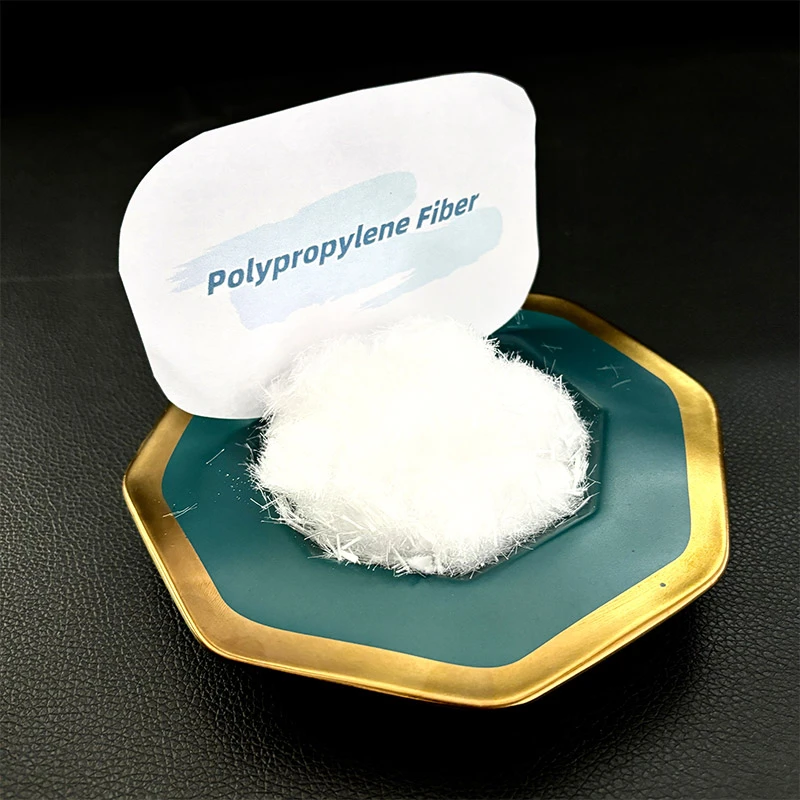
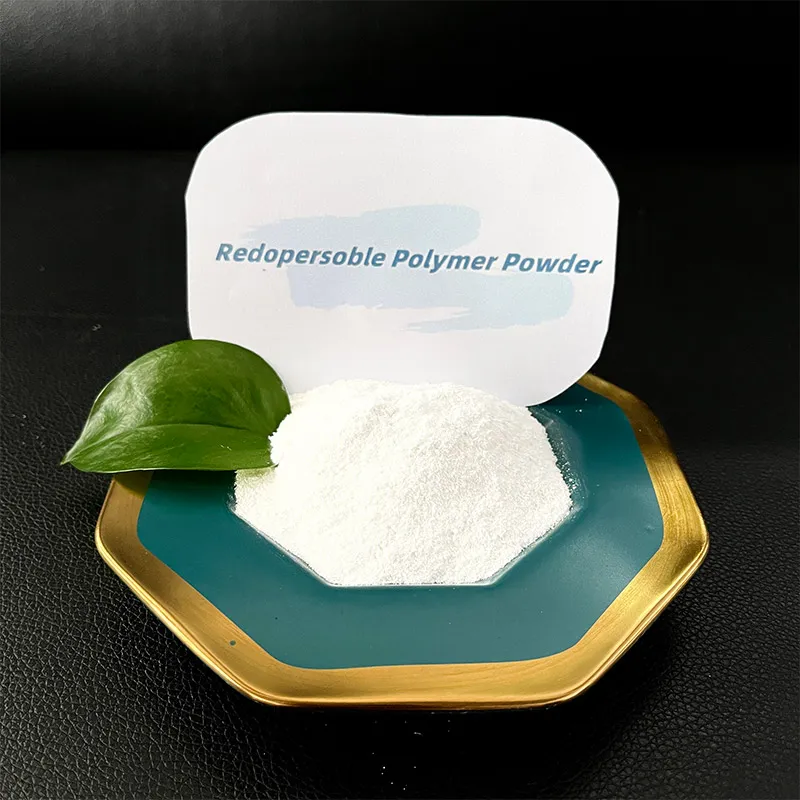


Understanding Polyolefin Fibers Properties, Applications, and Advantages Polyolefin fibers, derived from polyolefin resins, have become an integral part of various industries, ranging from textiles to automotive and construction. Polyolefins, primarily polyethylene (PE) and polypropylene (PP), are polymers characterized by their versatility, lightweight nature, and resistance to chemicals and moisture. This article delves into the properties, applications, and benefits of polyolefin fibers. Properties of Polyolefin Fibers Polyolefin fibers exhibit a range of properties that make them suitable for different applications. One of their most notable characteristics is their resistance to moisture and chemicals. Unlike natural fibers, polyolefin fibers do not absorb water, making them ideal for use in damp environments. This resistance also contributes to their longevity, as they are less prone to mildew and deterioration. Another significant property is their lightweight nature. Compared to other synthetic fibers, polyolefin fibers are less dense, which offers convenience and ease of handling, especially in textile applications. Furthermore, these fibers have excellent thermal stability, remaining effective across a broad temperature range. Their low melting point, however, requires careful handling during processing and manufacturing. Polyolefin fibers are also renowned for their tensile strength and flexibility. These attributes not only enhance their durability but also allow for a variety of weaving and knitting techniques, leading to diverse fabric textures and styles. Additionally, they exhibit colorfastness, which means that dyes and pigments adhere well to the fibers without fading over time—a crucial factor for textile manufacturers. Applications of Polyolefin Fibers The versatility of polyolefin fibers has led to their widespread adoption across various industries. In the textile sector, polyolefin fibers are commonly used to produce non-woven fabrics, geotextiles, and various clothing items. Their moisture-wicking properties make them particularly popular in activewear and athletic apparel, where breathability and comfort are paramount. fibre de polyoléfine In the automotive industry, polyolefin fibers are utilized in interior components such as seating, carpeting, and insulation. Their lightweight nature contributes to overall fuel efficiency, aligning with industry trends toward sustainability. Additionally, the fibers impart excellent sound insulation properties, leading to a quieter ride for passengers. Polyolefin fibers are also gaining traction in the construction sector. Their resistance to moisture and chemicals makes them ideal for applications in roofing, insulation, and protective coverings. Furthermore, the fibers can be incorporated into concrete to improve its tensile strength, durability, and resistance to cracking. Advantages of Polyolefin Fibers The advantages of using polyolefin fibers are numerous and compelling. First and foremost, they offer excellent cost-effectiveness. As one of the most produced synthetic fibers globally, polyolefins are readily available and can be manufactured at a lower cost compared to other materials. Additionally, the sustainability aspect of polyolefin fibers is gaining attention. While traditional plastics pose environmental concerns, the recycling and reuse potential of polyolefins can mitigate some of these issues. Many polyolefin products are now being designed with recyclability in mind, contributing to a more circular economy. Another significant advantage is the low maintenance required for polyolefin-based products. Fabrics made from these fibers are easy to clean, resistant to stains, and retain their original properties even after multiple washes. This reduces the need for harsh cleaning products, further supporting environmental sustainability. In conclusion, polyolefin fibers present a wealth of benefits that cater to various industries, from textiles to automotive and construction. Their unique properties, such as chemical and moisture resistance, lightweight nature, and long-term durability, make them an attractive option for manufacturers looking to innovate and optimize their products. As sustainability continues to gain importance in material selection, the role of polyolefin fibers is likely to expand, paving the way for more eco-friendly and efficient solutions in the future.
- 40000tons

Production
- 20+years

Experience
- 5000+㎡

Acreage

-
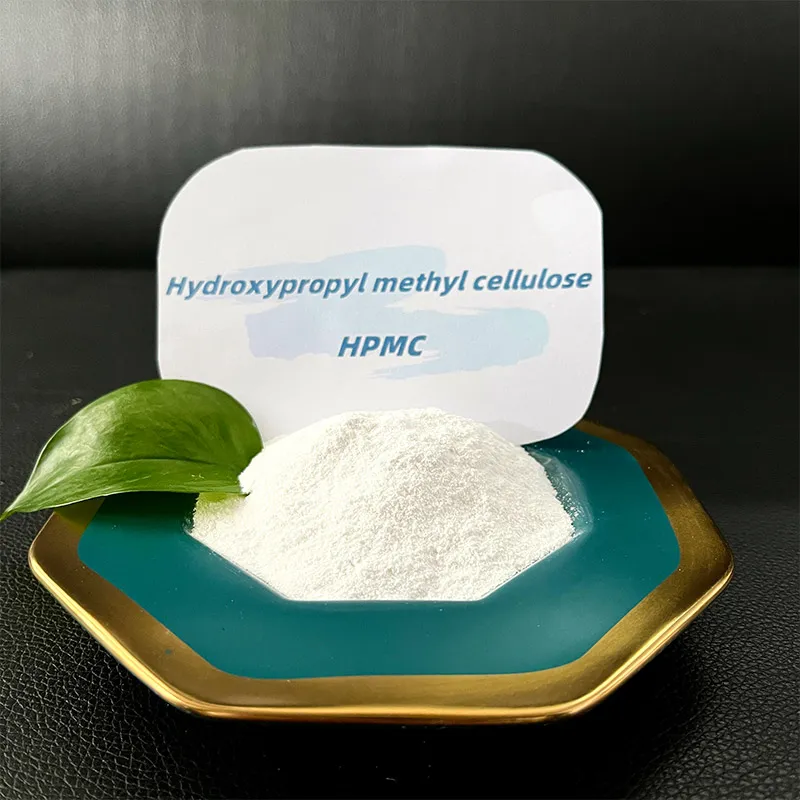
The construction industry constantly seeks materials that offer superior performance, reliability, and versatility. Among these, hydroxypropyl methylcellulose stands out as a highly effective additive that outperforms many traditional options, such as gypsum and polymer emulsions. Whether it’s about achieving durability in wet conditions or improving consistency in wall putty, hydroxypropyl methylcellulose has proven to be indispensable. Let’s explore its unmatched advantages and why it's the future of building materials. The Advantage of Hydroxypropyl Methylcellulose Over Gypsum Gypsum is a widely used component in construction, valued for its affordability and ease of use. However, when compared to hydroxypropyl methylcellulose , gypsum falls short in critical areas. One of the significant advantages of hydroxypropyl methylcellulose is its superior water retention capability. While gypsum is prone to cracking and shrinkage during drying, hydroxypropyl methylcellulose ensures that moisture is evenly distributed throughout the mixture, resulting in a flawless finish. This property not only prevents structural weaknesses but also enhances the overall durability of the material. Additionally, hydroxypropyl methylcellulose can withstand greater levels of environmental stress. Gypsum tends to deteriorate under wet or humid conditions, whereas hydroxypropyl methylcellulose remains stable, maintaining its binding and adhesive properties even in challenging environments. Its flexibility and resistance to moisture make it a preferred choice for projects that demand long-term durability and high performance. The Advantage of Hydroxypropyl Methylcellulose Over Polymer Emulsions Polymer emulsions are often incorporated into construction materials to improve elasticity and binding strength. However, they lack the adaptability and multifunctionality that hydroxypropyl methylcellulose offers. Polymer emulsions tend to lose effectiveness over time, especially under fluctuating temperatures and exposure to moisture. Hydroxypropyl methylcellulose , on the other hand, provides consistent performance across diverse environmental conditions. Its thermal stability and water retention qualities make it far superior for applications such as wall putty, plaster, and tile adhesives. Additionally, hydroxypropyl methylcellulose enhances workability without requiring extra additives. It creates a uniform mixture, ensuring smoother application and better surface adhesion. If you are planning to buy hydroxypropyl methylcellulose , you are investing in a material that optimizes efficiency and delivers results unmatched by polymer-based alternatives. How Hydroxypropyl Methylcellulose Behaves in Building Materials The unique properties of hydroxypropyl methylcellulose make it a standout ingredient in building materials. Its ability to improve the viscosity of mixtures ensures better cohesion and stability during application. In products such as wall putty, hydroxypropyl methylcellulose enhances spreadability, making it easy to achieve a smooth finish on walls and ceilings. Under wet conditions, hydroxypropyl methylcellulose shows excellent resistance, retaining its structural integrity while ensuring prolonged workability. This ensures that building materials do not prematurely dry out, which can lead to uneven curing or cracking. Its hydrophilic nature supports uniform hydration, giving materials added durability and ensuring long-term reliability in construction projects. In addition to performance benefits, hydroxypropyl methylcellulose is compatible with other additives, allowing it to blend seamlessly into various formulations. For builders aiming to reduce project inefficiencies, this additive is the go-to solution, saving time and enhancing the quality of the output. Trust the Leading Hydroxypropylmethylcellulose Supplier for Top-Quality Materials When sourcing construction materials, reliability and consistency are crucial. That’s why working with a reputable hydroxypropylmethylcellulose supplier is essential. We take pride in offering premium-grade hydroxypropyl methylcellulose that meets stringent industry standards and caters to the diverse needs of modern construction projects. By partnering with us, you gain access to high-quality products that deliver exceptional results across a wide range of applications, from wall putty to advanced adhesive systems. Our efficient supply chain ensures timely delivery, so you never face project delays. Whether you're an independent contractor or a large construction firm, the decision to buy hydroxypropyl methylcellulose from us guarantees durability, efficiency, and a competitive edge in your projects. Hydroxypropyl Methylcellulose: Shaping the Future of Construction As the construction industry evolves, the demand for versatile and sustainable materials continues to grow. Hydroxypropyl methylcellulose is paving the way for advanced solutions that not only improve material performance but also support environmentally conscious construction practices. Its advantages over gypsum and polymer emulsions, combined with its ability to perform exceptionally well in wet conditions, make it a cornerstone for modern building materials. Builders and manufacturers alike are recognizing the transformative impact of hydroxypropyl methylcellulose , ensuring its place as a critical component in construction innovation. Experience the difference with our premium hydroxypropyl methylcellulose . Contact us today to find out more about how it can elevate your building projects, and secure your success with the trusted leader in construction additives. Don’t wait—choose the industry’s finest hydroxypropylmethylcellulose supplier and redefine your standards for quality.
-
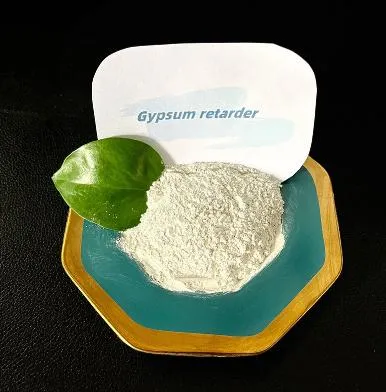
Understanding the distinctions between HPMC K and E series is critical for various industries, such as pharmaceuticals, food, and construction, where these compounds play pivotal roles. Hydroxypropyl methylcellulose (HPMC) is a versatile material with broad applications due to its unique properties. Both K and E series differ primarily in their methoxy and hydroxypropyl content, impacting their solubility, viscosity, and gelation properties, which ultimately influence their suitability for specific applications. The K series of HPMC is characterized by higher methoxy content compared to the E series. This feature significantly affects its water solubility, gelling temperature, and viscosity. Due to its distinct solubility profile, the K series is often favored in applications requiring rapid dissolution in cold water, making it particularly useful in pharmaceutical industries for sustained-release formulations. For instance, in oral drug delivery systems, the release rate of active ingredients can be meticulously controlled using K series HPMC, providing consistent therapeutic effects. Its higher gelation temperature is suitable for formulations that require stability at higher temperatures, reducing the risk of premature gelation during processes such as granulation and tableting. Conversely, the E series contains a higher proportion of hydroxypropyl groups, influencing its viscosity and thermal gelation properties. This series is known for forming viscous solutions at lower concentrations, which is advantageous in applications where higher viscosity is needed without adding excess material. Its lower gelling temperature and increased swellability make it ideal for use in environments that require quick formation of a gel-like texture, such as in food products. The E series can enhance the texture and thickness of sauces and dressings, providing a desirable mouthfeel and stability over extended shelf-life periods. difference between hpmc k and e series In the construction industry, the adhesive and film-forming properties of both HPMC K and E series are exploited in applications like tile adhesives and cement renders. The K series, with its rapid solubility, is often utilized in formulations that require quicker setting times. It improves workability and open time, ensuring that construction professionals have enough time to adjust and position materials accurately, while still benefiting from strong adhesion once cured. The E series, due to its ability to form thick gels, is valuable in applications demanding high water retention and resistance to sagging during drying. Professionals across diverse industries must recognize that the selection between HPMC K and E series should be guided by specific application requirements such as solubility, viscosity, gelling temperature, and regulatory compliance. Understanding these properties and their implications for product performance can lead to optimized formulations that meet stringent industry standards and consumer expectations. Engaging with experienced suppliers who can provide detailed technical specifications and support is essential for making informed decisions . Furthermore, pilot testing and in-situ evaluations remain prudent practices to validate the suitability of HPMC grade selections under real-world conditions, ensuring that the final product delivers reliable performance. The nuances between HPMC K and E series underscore the importance of meticulous selection in achieving desired outcomes across varied applications. As industries continue to innovate, the adaptability and distinct characteristics of HPMC will likely contribute to novel uses, expanding its functional potential and reinforcing its integral role in modern material science.
advantages
-

200000 Viscosities
Excellent product
We can produce pure products up to 200,000 viscosities
-

40000 tons
High yield
We don’t stop production all year round, and the annual output can reach 40,000 tons
-

24 hours
Quality service
We provide 24-hours online reception service, welcome to consult at any time
———— Inquiry Form
Schedule A services

-
 que_es_la_celulosa_de_madera
Oct . 25, 2025
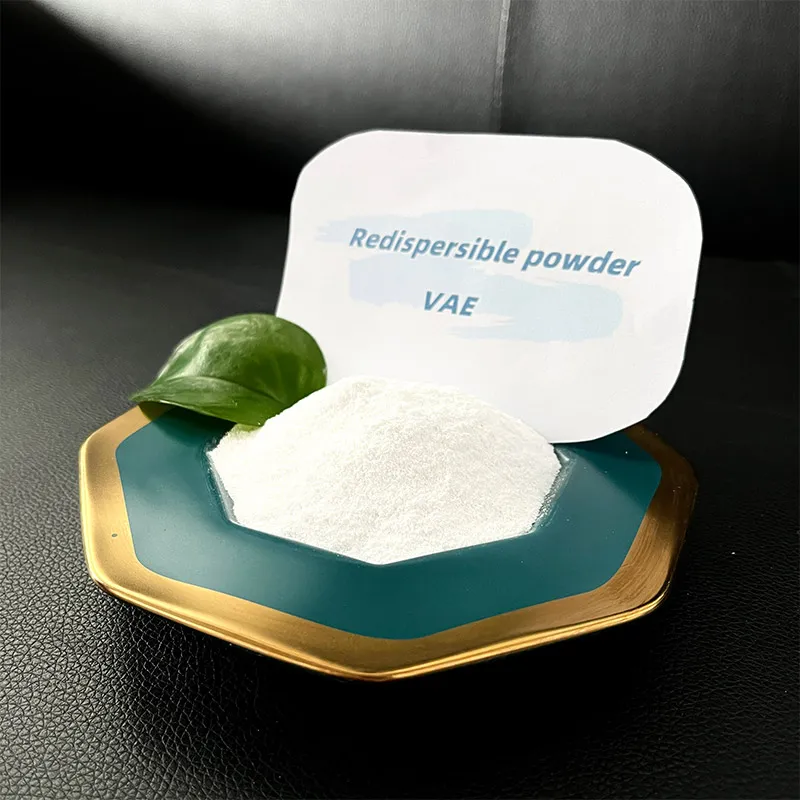
In modern construction and industrial applications, materials like redispersible polymer powder , vi -
 extraction_de_cellulose_du_bois
Oct . 25, 2025
Unlocking the Benefits of Purchasing HPMC A Comprehensive Guide Hydroxypropyl Methylcellulose (HPMC) -
 cellulose_wood
Oct . 25, 2025
Exploring the Intricacies of Hydroxyethyl Starch (HES) A Critical Product Insight Hydroxyethyl starc


